Machining: The Foundation of Metal Manufacturing
2018-08-22
Metallurgy—it’s a pretty cool subject, right? As we’ve seen, a dozen or so raw elements provide for hundreds of important, life-altering materials. None of these metals would be worth a wooden nickel without the means to shape them, however. Principal among these is machining, which evolved in lockstep with steel processing. Over the past 150 years, machine tools have grown from crude pulley and steam driven devices to the high-tech, ultra-precise computer numerical control (CNC) equipment of today.
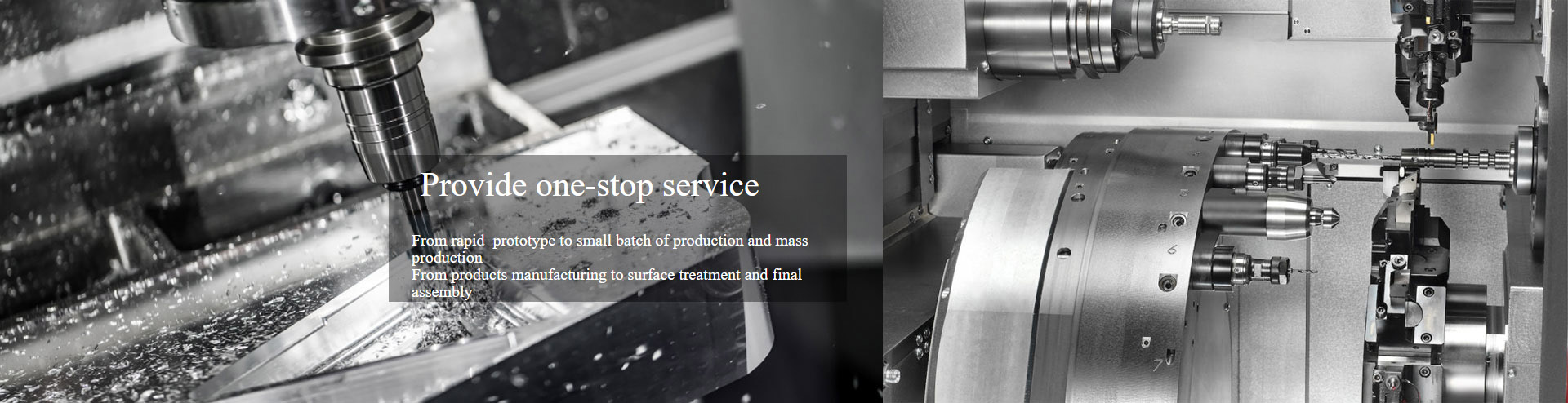
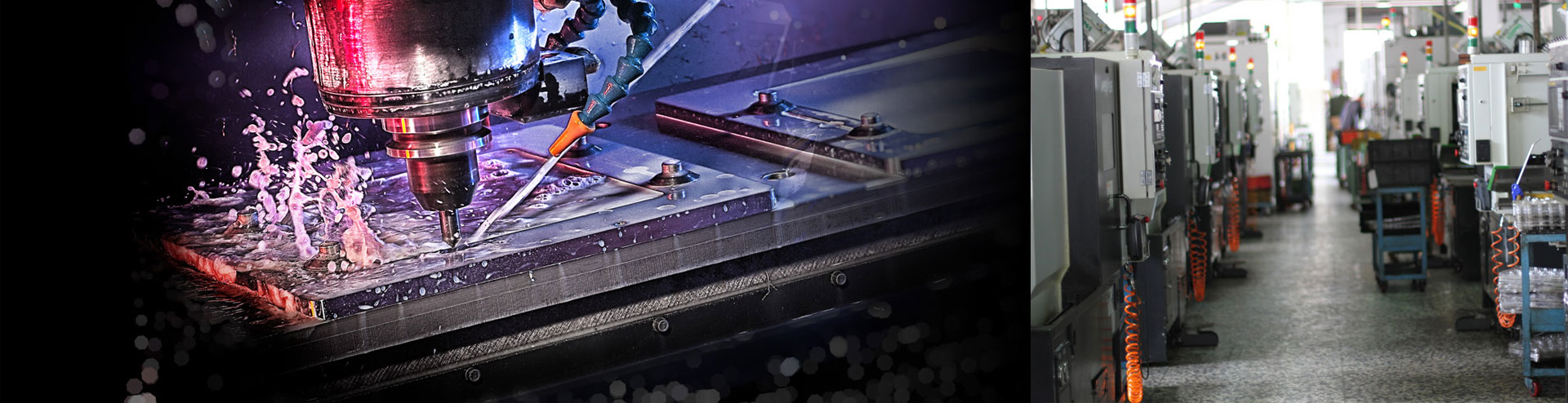
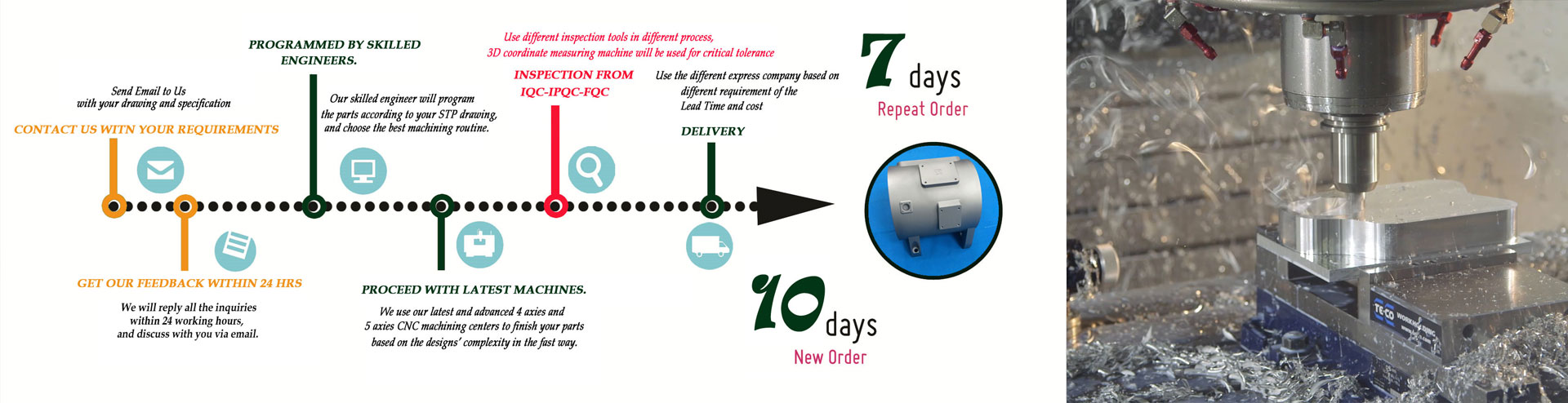
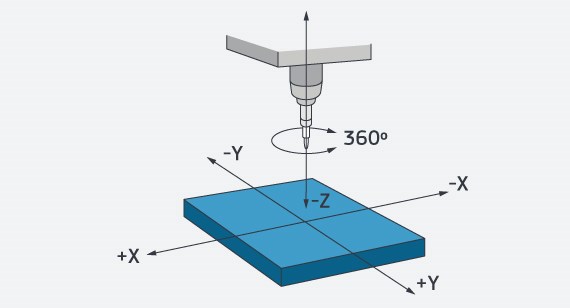
Precise Technic employs a veritable army of these machine tools, one that’s several hundred strong, standing ready to mill or turn one part or one hundred from most of the materials just discussed. Chief among these are machining centers, which work by rotating a cutting tool such as an end mill or drill to remove material. The workpiece is gripped in a vise or similar clamping device and moved in one or more axes against the cutter, thus creating complex geometries. Five-axis machining centers may use all axes simultaneously to generate the free-form shapes common in artificial knees and propellers, or indexed to machine multiple sides of the workpiece in one clamping.
CNC lathes use a chuck or collet to grip the workpiece and rotate it against a fixed cutting tool. Need to cut a set of candlestick holders or a fitting for a garden hose? Lathes make short work of these parts and more. Mill-turn machines, like Protolabs uses, take lathes one step further with the addition of rotating tools and secondary spindles, eliminating what were once secondary machining operations.